
"Aricha G1"
400 article(s) found
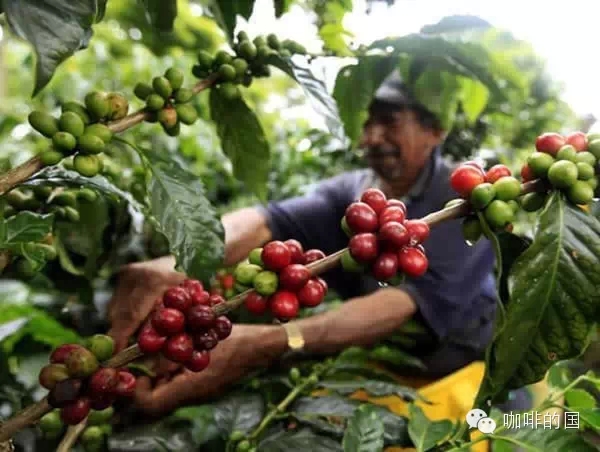
There are several ways to turn coffee beans into coffee from Ethiopian sun-dried aricha coffee beans.
Choose fresh coffee beans. When buying, pay attention to whether the color of the beans and the size of the particles are the same. Good coffee beans are shiny and have a strong aroma without being mixed with peculiar smell. No matter what kind of coffee beans, freshness is an important factor affecting the quality. When shopping, grab one or two coffee beans and chew them in your mouth with crisp sound (indicating that the coffee is not damp) and teeth and cheeks.

Clear and bright Ethiopian Yega Xuefei G1 coffee flavor description method grinding scale varieties
Ethiopia Yega Xuefei G1 Coffee Flavor description Grinding scale Variety introduction European monastic academics opened up the local coffee growing industry, which was later run by coffee communities or cooperatives in villages around the town. There are no special plantations here, and coffee trees are naturally scattered in the forest and countryside. During the harvest season, the Ethiopian Coffee Trading Company will go to town to buy.
Ethiopia's best coffee brand-Arrica sunbathing Yega Chuefei
Professional coffee knowledge exchange more coffee bean information please follow the coffee workshop (Wechat official account cafe_style) front street-Ethiopia Yega Sheffei sun aricha brief introduction Aricha named from Aricha kebele in Ethiopia Yega Sheffei producing area. To the east of Yirgacheffe, there is a village called Aricha kebele

Introduction to the Variety treatment method for describing the Flavor of Coffee in Yejia Fichel Manor
Description of coffee flavor in Yejiaxefichel Manor Coffee Variety treatment method the grading system of Yejiaxuefei is not distinguished by the number of items, but according to the proportion of defective beans in all raw beans. Commonly seen are washing G2 and sunbathing G3 Yega Xuefei, G1 is the highest grade, and Yejia Xuefei, which has the lowest defect rate and the best quality, is selected by hand.

A brief introduction to the History and Culture of the Origin and Development of arichaG1 Fine Coffee beans
For professional baristas, please follow the Coffee Workshop (Wechat official account cafe_style) about the winner of the Project Origin Sasa Sestic,2015 World Barista Competition, who started a raw bean shopping project called Project Origin with his business team ONA Coffee three years ago. The project works directly with coffee growers in poor countries and regions to improve
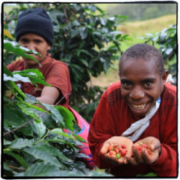
Yega Xuefei Sun aricha Fine Coffee Raw Bean Yega Snow Coffee Ariga Fine New Bean
Yega Xuefei is produced at the Kebel Aricha processing plant, where there are about 650,700 small coffee farmers who send ripe coffee berries here for processing in exchange for cash. After the treatment plant selects the available berries, they are directly exposed to the sun on the scaffolding and are turned every 2-3 hours in the first few days to prevent overfermentation. After four to six weeks of sun exposure, workers will look at the weather and temperature.

A brief introduction to the planting market price of the lively and bright Yega Xuefei boutique coffee bean variety
The second comes from Aricha Kebele in the small town of Yirgacheffe. Local coffee farmers send the fully ripe coffee cherries picked from the original forest to the local processing plant, which puts the coffee cherries whose flesh and skin are completely preserved in the elevated shed for sun treatment. It is this kind of high-intensity human labor greenhouse drying method, isolated.

How does the sun Yega Chuefei taste? introduction to the taste of the sun Yega Sheffield Arecha flavor
Professional coffee knowledge exchange more coffee bean information please follow the coffee workshop (official account Wechat cafe_style) front street-Yega Xuefei Arica introduces the high grade: this batch of Aricha is the highest grade of G1 by ECX, from the appearance, consistency and freshness of raw beans to dry aroma and flavor are excellent. (about ECX, the author will introduce it separately)

A brief introduction to the description of flavor, taste and aroma characteristics of Ethiopian sun Yega Xuefei arichaG1 boutique coffee beans
Professional barista exchange please pay attention to the coffee workshop (Wechat official account cafe_style) flavor description: light fermented wine, jujube, sweet orange tone, dark berries, litchi, carambola, peach, peach, longan red jujube, honey sweet, cocoa with a little spice, body thick and lasting factory name: coffee factory Qianjie Cafe site: Baoqian Street, Yuexiu District, Guangzhou City

A brief introduction to the history and culture of the origin and development of the lively and bright Yega Xuefei boutique coffee beans
The second comes from Aricha Kebele in the small town of Yirgacheffe. Local coffee farmers send the fully ripe coffee cherries picked from the original forest to the local processing plant, which puts the coffee cherries whose flesh and skin are completely preserved in the elevated shed for sun treatment. It is this kind of high-intensity human labor greenhouse drying method, isolated.

Introduction to the varieties of Grinding scale by the method of describing the Flavor of Ethiopian Yegashefi ARICHA Coffee
Ethiopia Yegashuefi ARICHA coffee flavor description grinding scale variety introduction there are many high-quality coffee processing plants in the Yegashafi region, a lot of caffeine from these processing plants, become a hundred times the price, Kebel Aricha Mill sun tuition fee is one of them, this coffee is also what we often call ARICHA beans, is the Kebel Aricha processing plant

A brief introduction to the History and Culture of the Origin and Development of Fine Coffee beans with Fruit and Flower fragrance
The first branch comes from Adulina's Adulina Kochere. The coffee bean variety is Heirloom, which is a mixed variety of the local native forest. Although the natural environment of the producing area creates the flavor of Yega Xuefei, it is the local native variety that best reflects the flavor. Aricha's processing plant waits for the coffee bean flavor to be ripe, and then uses the sun-dried cherry before shipment.

Sunburn Yega Chuefei Ethiopia Ariga aricha factory African boutique coffee
Yega Xuefei is produced at the Kebel Aricha processing plant, where there are about 650,700 small coffee farmers who send ripe coffee berries here for processing in exchange for cash. After the treatment plant selects the available berries, they are directly exposed to the sun on the scaffolding and are turned every 2-3 hours in the first few days to prevent overfermentation. After four to six weeks of sun exposure, workers will look at the weather and temperature.

[Yega Xuefei purchase Guide] the street is full of "Yega Xuefei" how to choose?
The exchange of professional baristas please follow the coffee workshop (Wechat official account cafe_style) to feel the charm of good coffee. People who often drink coffee from "Yega Xuefei" must have heard others say [Yega Xuefei] more or less, and even when many people are just getting started (keng), they start from touching [Yega Xuefei]: the first cup by hand, or the first siphon?
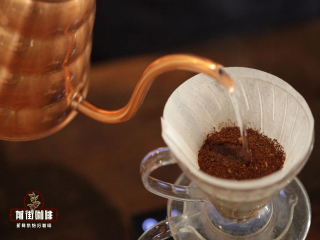
Sun plus Sheffield Coffee Erika Aricha Coffee the latest picking season Aricha hand flushing suggestion
Professional coffee knowledge exchange more coffee bean information please follow the coffee workshop (Wechat official account cafe_style) Yega Xuefei new product introduction: sun Yega Erika G1EthiopiaNaturalYirgacheffeArichaG1 country: Ethiopia Obi

A brief introduction to the planting market price of Yega Xuefei boutique coffee beans with fruit and flower scent
According to the different ways of handling raw coffee beans, Jia Xuefei can be divided into two categories: category An is washed, and the grade standard is formulated by the American Fine Coffee Association SCAA, which is divided into GR-1;GR-2, the smaller the Arabic numeral, the higher the grade, the distinct style of G1 Yega Chuefei, the flavor of citrus and floral flavor in the coffee liquid is a delicacy that everyone can't resist; Class B is the sun treatment of raw coffee beans, etc.

Ethiopia sun Yega Chefefen aricha Manor boutique coffee bean black coffee
The main coffee producing countries in Africa are Kenya, Ethiopia, Angola, Tanzania, Zambia, Zimbabwe and so on. Kenya grows high-quality Arabica coffee beans, which absorb almost the essence of coffee cherries, with a slightly sour, thick aroma, and are very popular among Europeans, especially in Britain. Kenyan Coffee surpasses Costa Rica.

Raw bean sun aricha Ethiopia imports Yega Xuefei Ariga boutique coffee
Yega Xuefei is produced at the Kebel Aricha processing plant, where there are about 650,700 small coffee farmers who send ripe coffee berries here for processing in exchange for cash. After the treatment plant selects the available berries, they are directly exposed to the sun on the scaffolding and are turned every 2-3 hours in the first few days to prevent overfermentation. After four to six weeks of sun exposure, workers will look at the weather and temperature.

A brief introduction to the cultivation of lively and bright Yega Xuefei boutique coffee beans, geographical location, climate and altitude
Yega Xuefei is divided into two categories according to the different ways of handling raw coffee beans: category An is washed, and the grade standard is set by the American Fine Coffee Association SCAA, which is divided into Gr-1 and Gr-2. The smaller the Arabic numeral is, the higher the grade is. The style of G1 Yega Chuefei is distinct, and the flavor of citrus and floral flavor in the coffee liquid is irresistible to everyone. Category B is the taste of sun-treated raw coffee beans.
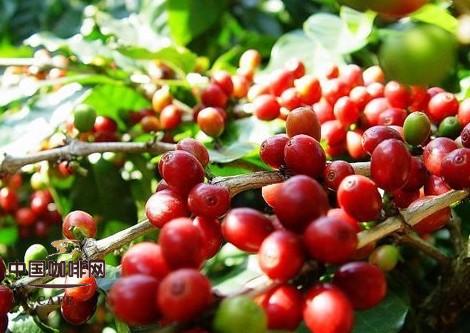
Ethiopian sun-dried yejafen aricha light fermented wine sweet tangerine flavor
Yega Xuefei is produced at the Kebel Aricha processing plant, where there are about 650,700 small coffee farmers who send ripe coffee berries here for processing in exchange for cash. After the treatment plant selects the available berries, they are directly exposed to the sun on the scaffolding and are turned every 2-3 hours in the first few days to prevent overfermentation. After four to six weeks of sun exposure, workers will look at the weather and temperature.